
MVP development for startups: an app investors can actually use
You need a working product before the round, not a pitch deck full of mockups. We build and ship real iOS and web apps for founders, on a fixed price per phase, and you own every line of code.
Scope your MVP →2
iOS Apps Live on the App Store
iOS + Web
Native and Web Builds
100%
Code Ownership, Day One
4.9 / 5
Google Rating (11 Reviews)
Apps we have shipped
Plenty of shops can show you designs. Here is software we built, got through Apple review, and run in production today.
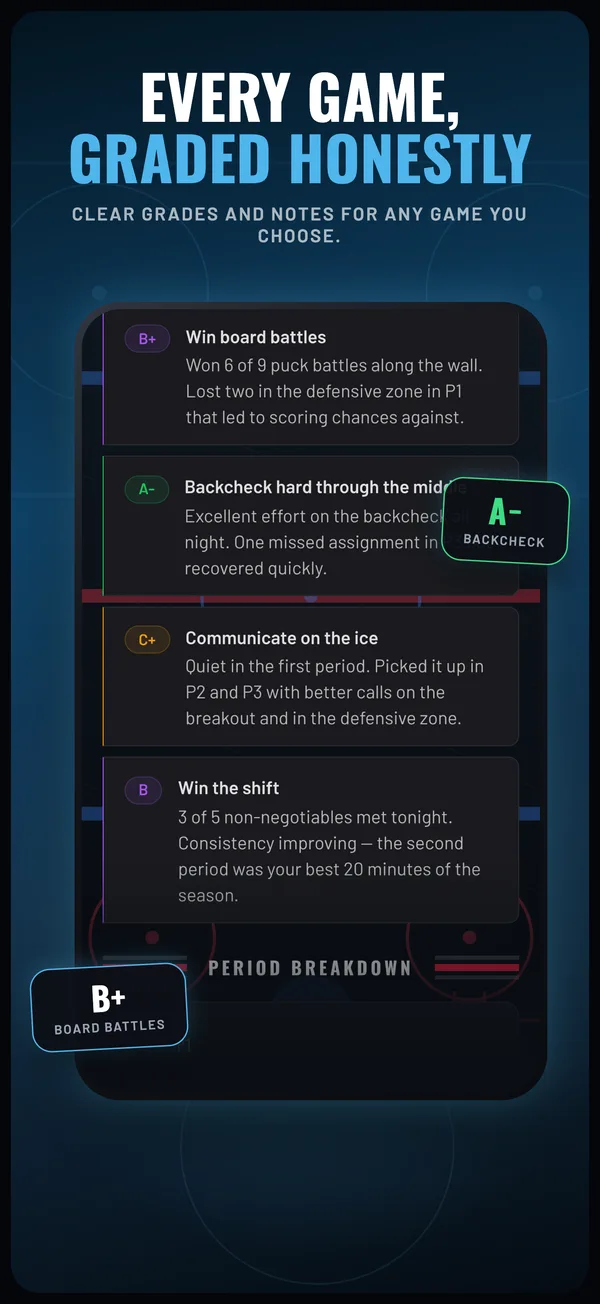
Shift Excellence
A two-sided hockey platform for coaches, players, and parents: AI game reviews, a line builder, league stat feeds, in-app purchases on iOS, home-screen widgets, and Sign in with Apple. In use by real coaches, players, and parents.
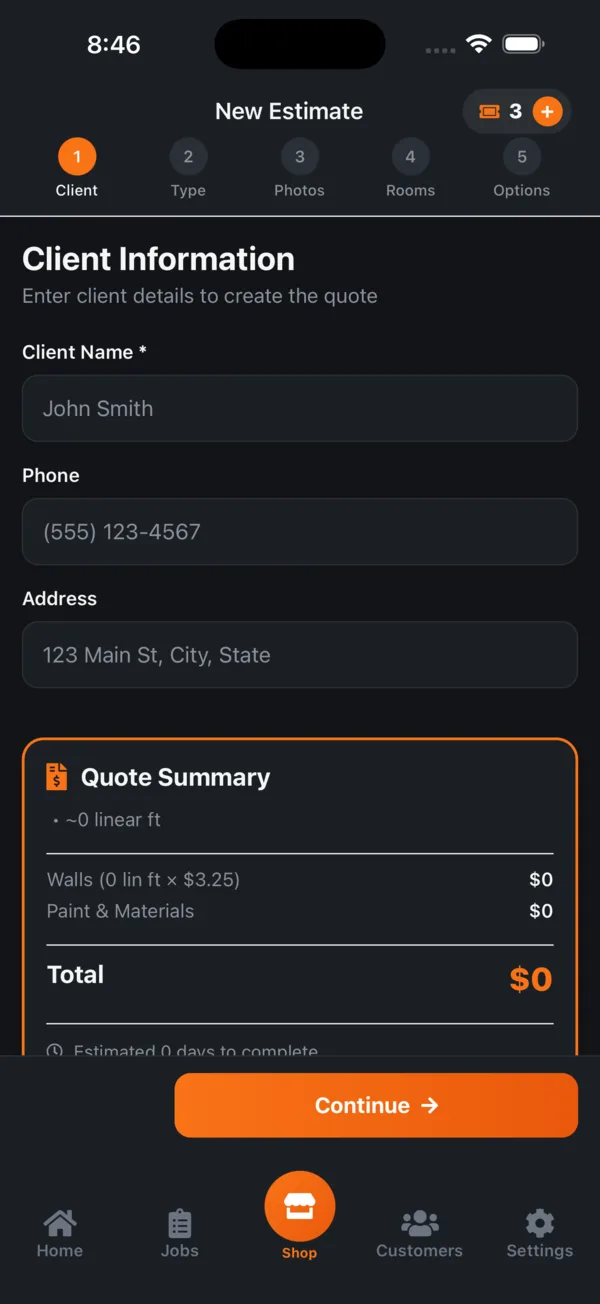
PaintQuote Pro
A quoting app for painting contractors: a guided estimate flow, AI color previews, credit packs and subscriptions through Apple in-app purchases, and analytics wired from the first release.
| Product | Stack | What it proves | Status |
|---|---|---|---|
| Shift Excellence | Next.js, Supabase, native iOS shell, Claude API | Two-sided product, AI features, iOS in-app purchases, App Store review | Live |
| PaintQuote Pro | React Native (Expo), RevenueCat, Firebase Analytics | Native iOS app with in-app purchases and measured usage | Live |
| Docket | Next.js, Supabase | A product we sell, with Stripe checkout and automatic delivery | Live |
| CRM pipeline board | Next.js, Supabase, row-level security | Multi-tenant SaaS, each business sees only its own data | Live |
What makes an MVP investor-ready
Nobody honest can promise you a raise. What good MVP development can do is take the product off the list of reasons a partner says no. We build toward these five things.
It works on a stranger's phone
Not a clickable mockup and not a demo that only runs on your laptop. An investor can download it, sign up, and use the core workflow without you narrating.
Usage is measured from day one
Signups, activation, retention, and revenue events are tracked from the first release, so when a partner asks "how many people came back last week?" you have the real number.
It does one thing well
The fastest way to lose a pitch is a product that does ten things badly. We cut scope to the one workflow that proves your thesis, and park the rest in a roadmap you can show.
The code survives diligence
A mainstream stack, a repository you own, and a structure a future CTO can read. Nobody has to rebuild it from scratch the week after you close.
It can take money
If your model is subscriptions or in-app purchases, the first version charges real cards or real App Store purchases. Revenue, even small, is a different conversation than "we plan to charge."
What we build
Most first versions need some mix of these. We build the pieces that prove your idea and leave the rest for after the round.
Native iOS apps
Swift and React Native builds, App Store submission, review handling, widgets, and Sign in with Apple.
Web app MVPs
Next.js and Supabase apps with logins, roles, and dashboards. Fast to ship, fast to change while you learn.
Payments & subscriptions
Stripe for the web, in-app purchases and subscriptions for iOS, wired so the numbers match across both.
AI features
Report generators, document processing, and assistants built on the Claude API, with cost limits so a demo day spike does not surprise you.
Two-sided products
Marketplaces and platforms with separate experiences for each side, like coaches and players or contractors and homeowners.
Analytics & investor metrics
Event tracking and a simple dashboard for the numbers your deck needs: signups, activation, retention, revenue.
How an MVP build works
1. Scoping sprint (1 to 2 weeks, fixed price)
We pin down the one workflow that proves your thesis, pick web or iOS (or both), design the data model, and hand you a phased, fixed-price build plan. It is yours to keep whether or not you build with us, and it gives you a real number for your raise plan.
2. Build in phases
Each phase has a fixed price and a clear deliverable, and you approve the number before it starts. You get a working build to click through every week, not a big reveal at the end.
3. Launch and measure
We ship to the App Store and the web, handle review, and make sure the analytics you need for your deck are firing on real users.
4. Support or hand over
Keep us on a monthly support line while you fundraise, or hand the codebase to your first engineering hire with documentation and a walkthrough.
Who builds it: Giuseppe, who scopes the product and writes the code from Kelowna, BC. No account managers and no offshore hand-off. We take on one or two builds a quarter so the person who scoped your MVP is the person who ships it.
Who this is for, and who it is not
A good fit
- Non-technical founders who need a working product before a pre-seed or seed round
- Founders with a validated problem who have outgrown no-code tools
- Operators turning an internal tool into a product they can sell
- Anyone who wants to own the code outright, not rent it from an agency
Not a fit
- Ideas that have not talked to a single customer yet (start there, it is free)
- Projects that need a large team and a six-month build before anyone can use them
- Founders looking for a technical co-founder who works for equity only
Building something for your own business rather than a startup? See custom software for small businesses. Want to see what the finished product can look like? Try Docket or the CRM board.
Raising in the next six months? Let's scope the MVP.
Scope your MVP →MVP development FAQ
How much does MVP development cost?▼
It depends on scope more than anything else: how many user types, whether it needs a native iOS app or a web app is enough, and whether payments or AI are in the first version. That is why we start with a fixed-price scoping sprint of a few thousand dollars. It produces a phased, fixed-price quote for the build, so you know the number before you commit and can put a real figure in your raise plan instead of a guess.
How long does it take to build an MVP?▼
Most MVPs we scope land in 6 to 12 weeks after the scoping sprint. A web app with one user type and one core workflow sits on the short end. A native iOS app with in-app purchases, App Store review, and two sides of a marketplace sits on the long end. Apple review alone can add a week or more, so we plan for it instead of pretending it will not happen.
Will investors care that the MVP was built by a small studio?▼
Investors care whether the product works, whether people use it, and whether the code can be handed to a technical hire later. You get the repository and the accounts from day one, the stack is mainstream (Next.js, Supabase, React Native, Swift where needed), and any competent engineer can pick it up during diligence or after you hire a CTO. What hurts a raise is a demo that only works on the founder's laptop, and that is the thing we are built to avoid.
Can you build a native iOS app, or only web apps?▼
Both. We have shipped iOS apps to the App Store with in-app purchases and subscriptions, handled Apple review rejections and resubmissions, and built native pieces like home-screen widgets and Sign in with Apple. Often the right MVP is a web app first, because it is faster to change while you learn. We will tell you honestly which one your raise actually needs.
Who owns the code and the IP?▼
You get the repository, the hosting accounts, and the App Store listing under your own developer account. For a startup raising money, clean IP ownership matters in diligence, so the IP assignment terms are put in writing before the build starts. We do not hold your product hostage.
Do you take equity instead of cash?▼
Not as a default. We price MVP builds as fixed-price phases paid in cash, which keeps your cap table clean for the round you are raising. If a project is a genuine fit, we are open to talking about a mix, but plan on cash.
What happens after the MVP launches?▼
You get a monthly support option priced as a separate line, so bug fixes and small changes do not stall while you fundraise. When you hire an in-house engineer, we hand over properly: documentation, a walkthrough of the codebase, and access transfer. Third-party costs like hosting, AI usage, or Apple developer fees stay on your accounts at cost.